
Canberra City Osteopathy are Members of the Australian Osteopathic Association, and
Director BJ Field is the Immediate Past President.
Read more »
What is Osteopathy?
Osteopathy was developed as a form of manual therapy in the late 1800's by an American Physician, Dr. A.T Still. Osteopaths are trained to be primary health care clinicians and can diagnose and treat a variety of musculo-skeletal conditions.
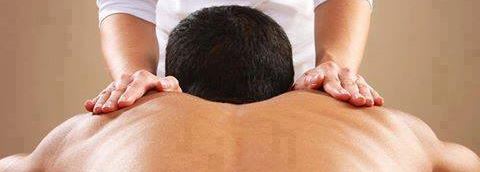
Osteopaths use a variety of hands on treatment techniques to help restore movement, reduce pain and improve the way a body is able to function. These techniques may include soft tissue work, stretching, muscle energy (activation) technique, strain-counterstrain and joint manipulation. You may also be given exercises or stretches to complete at home.
Osteopathic treatment is based on the principles of osteopathy:
The body is a unit
Although our body is made up of many different parts, the function of any one of these components relies on the function of all of the others. This means that your injury/condition and its impact on you will be considered in the context of the impact it may be having on your whole body.
The body has the ability to be self-healing and self-regulatory
We see our body's ability to heal in action every time we cut ourselves or get a cold. Most often our body is able to heal itself quickly and quietly but sometimes the body needs help to get the job done, like when people need stitches or medication.
In the case of body pain, the osteopaths aim is to assist your body to recover from, or cope with, the injury or condition which is causing pain. We do this by using manual treatment which aims to remove any restrictions or obstacles to the healing process. This allows your body to work as well as it can and promotes recovery from injury.
Structure and function are inter-related
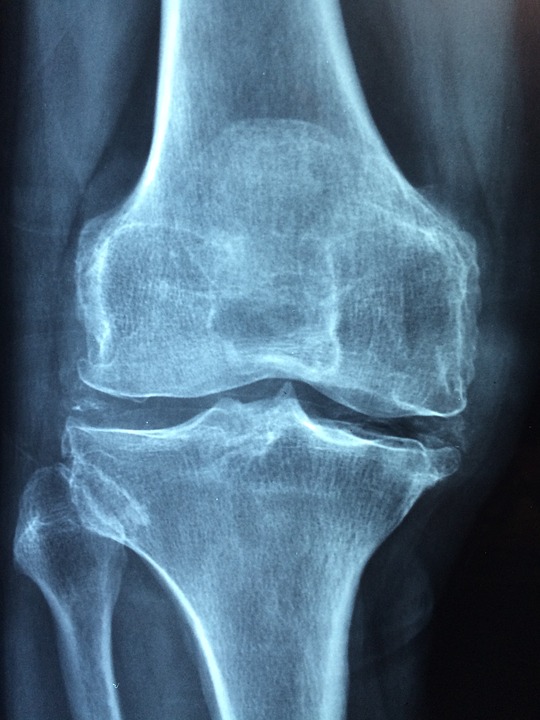
This means that a change in the structure of a joint or body part (through injury or pathology like arthritis) will cause a change in the way that the body part will function, and vice versa- that is, if the function of a joint is altered via poor posture for example, it may lead to a change in the structure through wear and tear.
Where possible, an osteopath seeks to remove any restriction or impairment in the body structures (muscles, joints or connective tissues) to allow optimal function to occur. In the case of permanent changes to the body's structure through injury or pathology, osteopathy aims to promote the very best function that is available.
Rationale health care incorporates the above principles.
Your Osteopath will design your treatment plan with the above principles in mind.